
Kimchi Stew (Kimchi Jjigae) No Red Meat
Description
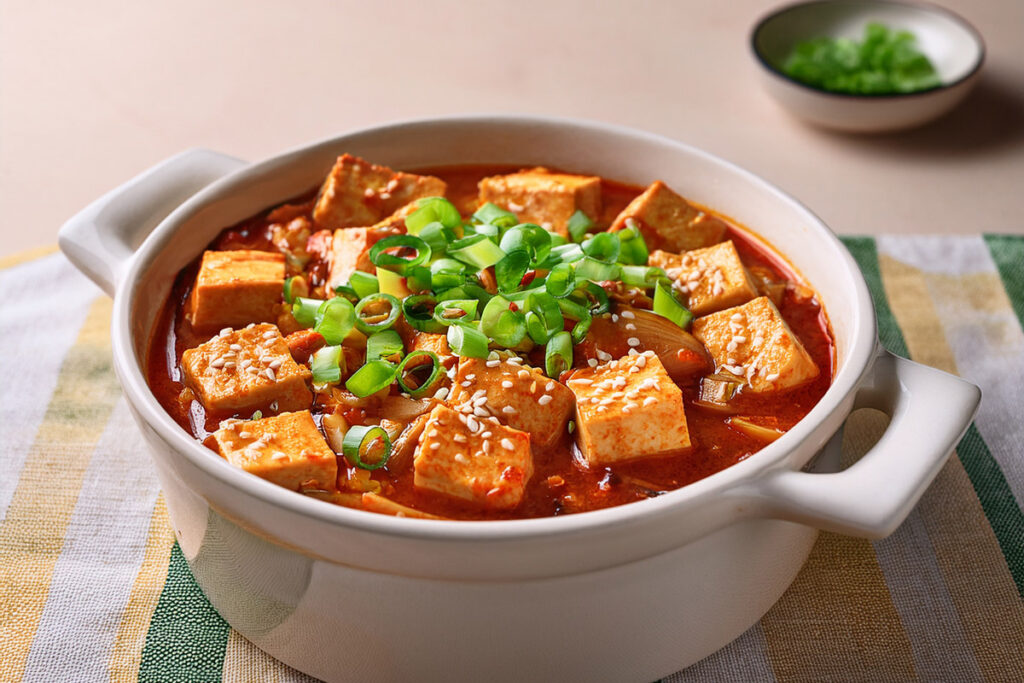
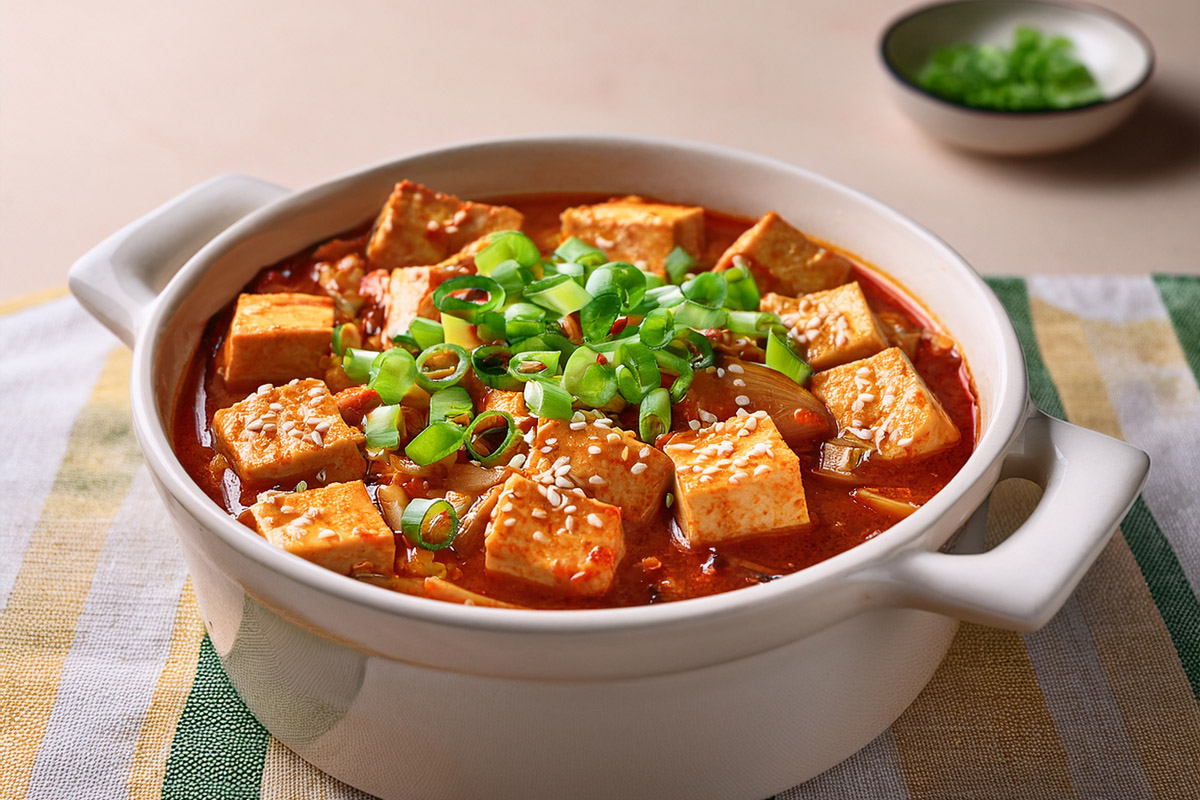
Kimchi Stew, also known as Kimchi Jjigae, is a classic Korean comfort food made without red meat. Packed with well-fermented kimchi, hearty mushrooms, soft tofu, onion, garlic, and a deeply savoury broth, this vegetarian-friendly stew is warming, spicy, and full of authentic flavour. It is a simple one-pot meal that comes together quickly and makes a delicious weeknight dinner. The fermented kimchi provides a wonderful tangy depth, while tofu and mushrooms add satisfying texture. Serve this bubbling-hot Korean kimchi stew with steamed rice for a wholesome, flavourful meal that is perfect for chilly evenings and cosy family dinners.
Kimchi Stew (Kimchi Jjigae) No Red Meat
Kimchi Stew, also known as Kimchi Jjigae, is a classic Korean comfortfood made without red meat.
Ingredients
Method
- Heat the sesame oil in a large pot over medium heat. Add the sliced onion and mushrooms and cook for 4–5 minutes until the vegetables soften and the mushrooms begin to brown.
- Add the chopped kimchi and cook for another 5–7 minutes, stirring occasionally, until the kimchi softens and becomes fragrant.
- Add the minced garlic, gochugaru, gochujang, soy sauce, and sugar. Stir well to coat the vegetables and kimchi in the seasoning.
- Pour in the vegetable stock and bring the mixture to a gentle boil.
- Reduce the heat to low, cover the pot, and simmer for 15–20 minutes. This allows the kimchi and seasonings to develop a rich, savoury flavour.
- Gently add the tofu pieces to the stew, making sure they are partially submerged in the broth.
- Simmer uncovered for another 5–7 minutes, allowing the tofu to heat through and absorb the delicious broth.
- Taste the stew and adjust the seasoning as needed. Add extra gochugaru for more heat, soy sauce for additional savouriness, or a little more sugar to balance particularly sour kimchi.
- Stir in half of the sliced spring onions and cook for another minute.
- Ladle the hot kimchi stew into serving bowls. Garnish with the remaining spring onions and toasted sesame seeds.
- Serve immediately with steamed white rice for a delicious and satisfying Korean-inspired meal.
Notes
Chef’s Tips
- Use well-fermented kimchi: Older, sour kimchi gives the stew a deeper and more authentic flavour. Fresh kimchi can be used, but the finished stew will taste milder.
- Check your kimchi: If you want the recipe to be strictly vegetarian, check the kimchi label, as some varieties contain fish sauce, shrimp, or other seafood ingredients.
- Choose hearty mushrooms: Shiitake, chestnut, oyster, or a mixture of mushrooms all work beautifully and add a meaty texture without using red meat.
- Don’t rush the simmer: A gentle simmer allows the fermented kimchi and seasonings to create a rich, complex broth.
- Use kimchi juice: Add a few tablespoons of kimchi liquid to the broth for extra tang and depth of flavour.
- Adjust the spice: Reduce the gochugaru and gochujang for a milder stew, or add more if you enjoy extra heat.
- Keep the tofu intact: Add the tofu near the end of cooking and stir gently to prevent it from breaking apart.
- Make it vegan: Use vegan kimchi and replace the regular gochujang and soy sauce with vegan-certified versions if required.
- Serve piping hot: Kimchi stew is traditionally enjoyed hot with steamed rice, which helps balance the spicy, tangy, and savoury flavours.
